Pokémon GO spawns aren’t random. Niantic doesn’t publish the full backend, but a mix of official announcements and years of community tracking has made several factors clear: where you are, the current weather, and any active event all shape what appears on your map.
If you’re hunting a specific species or filling out a collection of variants, knowing how these systems interact will save you more walking than just covering more ground.
What Niantic Has Confirmed
These mechanics come from official patch notes, developer blogs, and help center documentation.
Static Spawn Points
Pokémon appear at fixed geographic coordinates called spawn points. The map visuals around them can change, but the coordinates themselves stay put until Niantic updates the global map data.
The Biome System
In the Earth Day 2024 update, Niantic introduced Biomes: real-world environment classes that change both the catch-screen scenery and which Pokémon are more likely to spawn nearby. The four confirmed biomes are forest, beach, mountain, and city.
So far the spawn effect has been documented mainly for Kanto Pokémon, and it’s a tendency rather than a hard rule: a species shows up more often in its biome, not exclusively there. For example:
- Forest: Bulbasaur, Caterpie, Weedle, and Oddish appear more frequently.
- Beach: Squirtle, Psyduck, and Magikarp lean here, with Wiglett spawning only in the beach biome.
- Mountain: Sandshrew, Clefairy, Zubat, and Diglett show up more often.
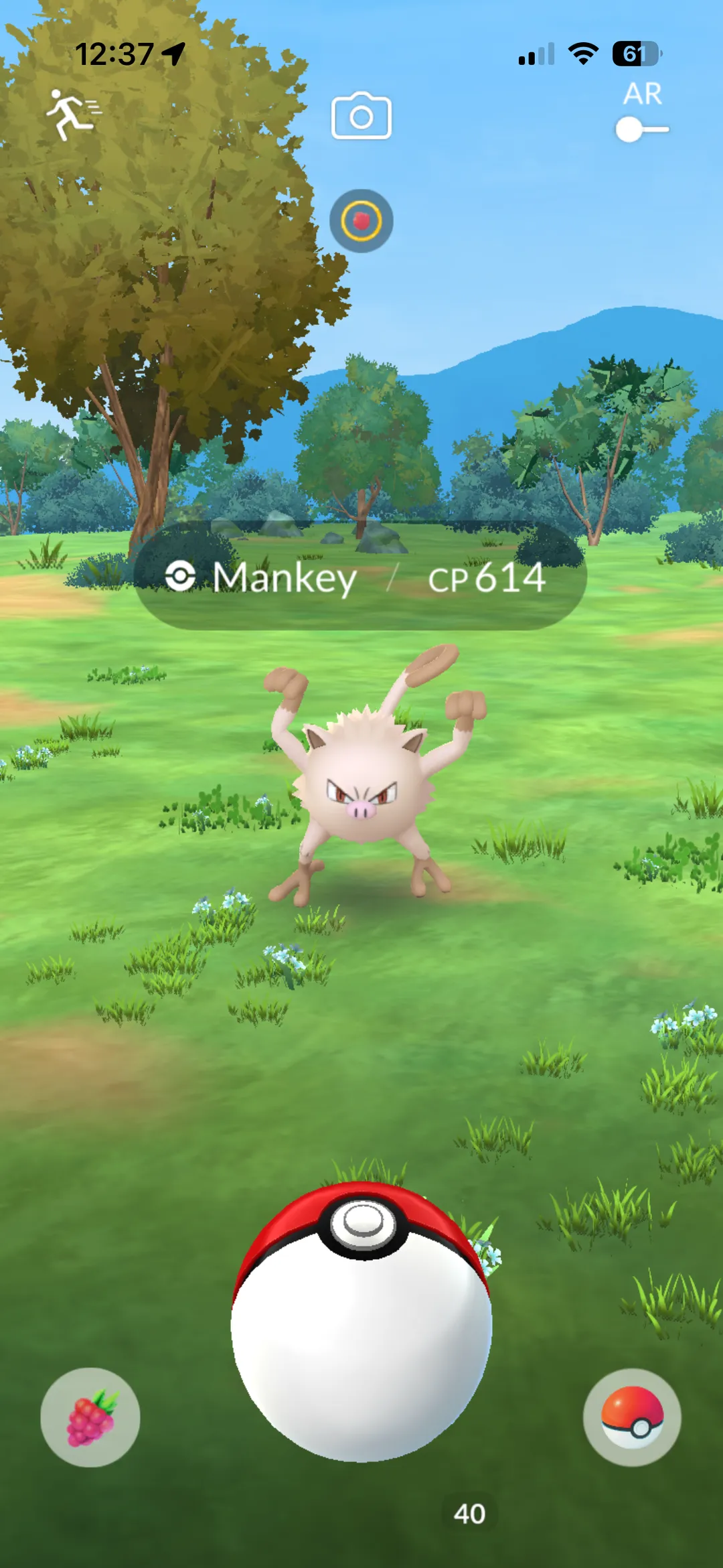
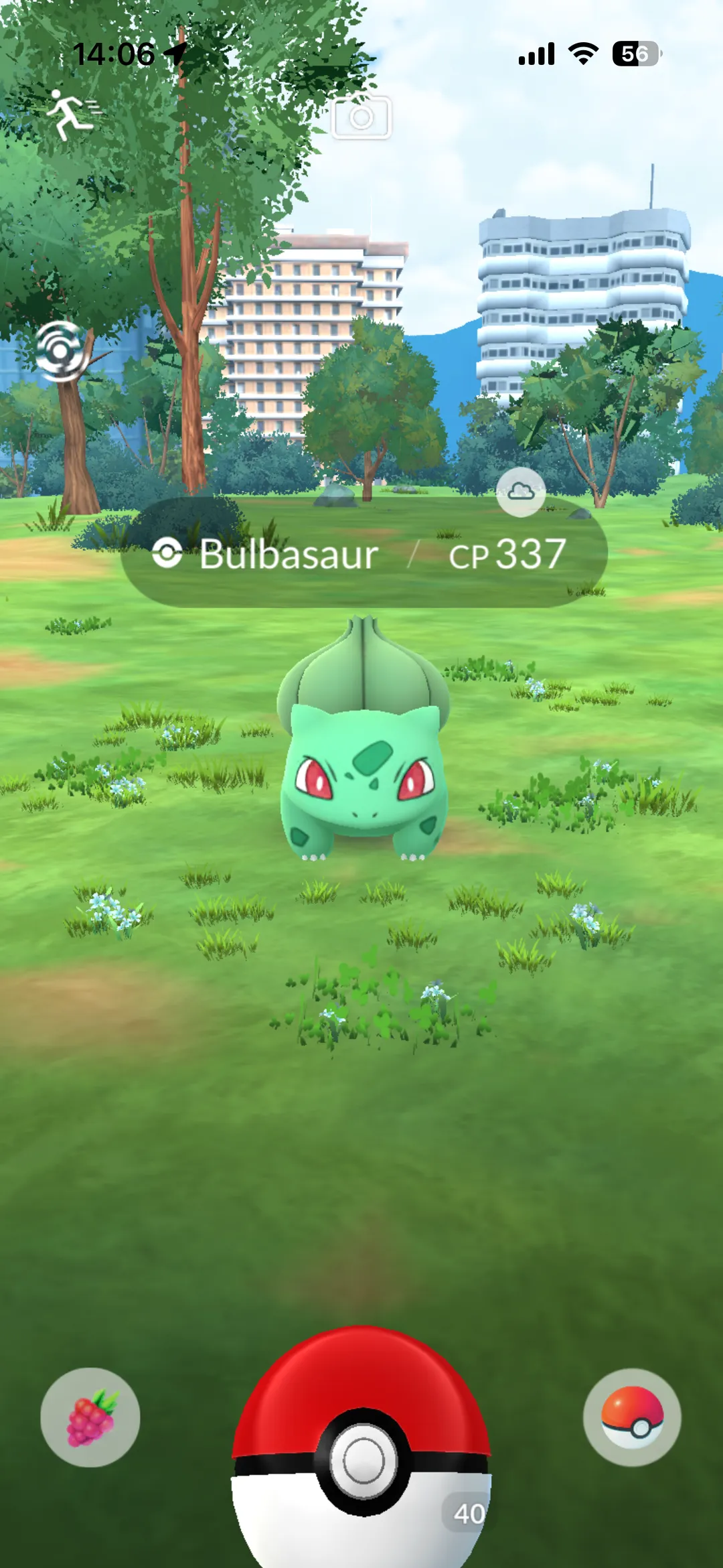
Events and seasons can pull these species outside their usual biome, so treat biomes as a strong nudge, not a guarantee.
Weather Boosts
The in-game weather updates every hour based on a real-world regional forecast. Niantic confirms that a Weather Boost does three things to matching-type spawns: it increases how often they appear, raises the wild level range from a maximum of 30 up to 35, and guarantees a minimum IV floor of 4/4/4.
Event Overrides
During Spotlight Hours, Community Days, and seasonal events, Niantic heavily modifies the global spawn tables. Featured Pokémon take over most active spawn points for the duration, overriding normal biome behavior.
What the Community Has Observed
These patterns come from player tracking groups, not Niantic. They’ve held up across years of data, but treat them as well-supported observations rather than confirmed mechanics.
The Hourly Spawn Cycle
Trackers have found that individual spawn points refresh on a predictable hourly schedule.
- The cycle: A given spawn point tends to produce a Pokémon once per hour at the same minute mark (for example, every hour at
xx:14). - How long it stays: Documented despawn windows fall into roughly 15, 30, 45, or 60-minute durations depending on the point. Shorter windows mean faster turnover; longer ones give you more time to reach the spawn.
Suspected Rarity Tiers
Finding a wild pseudo-legendary or a regional is rare, and the prevailing community theory explains why: each biome and event likely uses a spawn table split into rarity tiers (Common, Uncommon, Rare, Ultra-Rare). When a point activates, the game appears to roll a tier first, then pick a species from that pool. The practical upshot for you: spending longer in a single high-quality biome doesn’t improve any individual roll, so covering more active spawn points beats camping one spot.
Putting It Into Practice
Here’s how this stacks up in a real walk.
Say it’s raining where you live. Within the hour, your in-game weather shifts to Rainy, which boosts Water-, Electric-, and Bug-types. If you route that walk past a pond or shoreline (a beach biome where Water-types already lean), you’ve layered two systems on top of each other. A Magikarp or Poliwag run during Rainy weather along the water will out-produce the same walk on a clear day inland, and anything you catch comes in at a higher level with a guaranteed IV floor.
Stack location, weather, and events instead of relying on distance alone.
That’s the core idea: stack location, weather, and events instead of relying on distance. Check the event schedule before you plan a session, glance at the real-world forecast, and pick a route that crosses a couple of different biomes.
Tracking What You’ve Already Caught
Knowing where things spawn is only half the problem. Knowing what you still need is the other half, and it’s gotten harder. Modern collecting goes well past a Kanto or Johto checklist. Players now track shiny, shadow, costume, and size variants (XXS and XXL) for the same species, and it’s easy to remember catching a Pokémon while forgetting whether you ever got its shiny.
Once you’re hunting variants, a manual list gets unwieldy fast. That’s the problem GoDex is built for: keeping variant checklists and hunting goals in one place instead of a spreadsheet or memory.
Key Takeaways
- Spawns are driven by three predictable systems: location (biome), weather, and active events.
- Biomes nudge certain species to spawn more often; only a few (like Wiglett) are truly exclusive.
- Weather boosts raise spawn rates, level (up to 35), and the IV floor for matching types.
- Stacking weather over the right biome beats simply walking farther.
- Check event schedules first. Missing a limited window can mean waiting months for another shot.

We do our best to keep these guides accurate, but Pokémon GO mechanics change often. If you spot a mistake or something that's out of date, please send us feedback — we'll fix it.

About GoDex
A free companion app for tracking your collection, scanning IVs from screenshots, and checking PVP rankings. Available on iOS and Android.

